Climate finance is entering a new phase of global transformation. As governments, corporations, and financial institutions accelerate sustainability commitments, the demand for transparent, scalable, and technology-driven financial infrastructure continues to grow rapidly. ESG investing, carbon markets, and sustainable finance are no longer niche sectors — they are becoming central pillars of the global financial ecosystem.
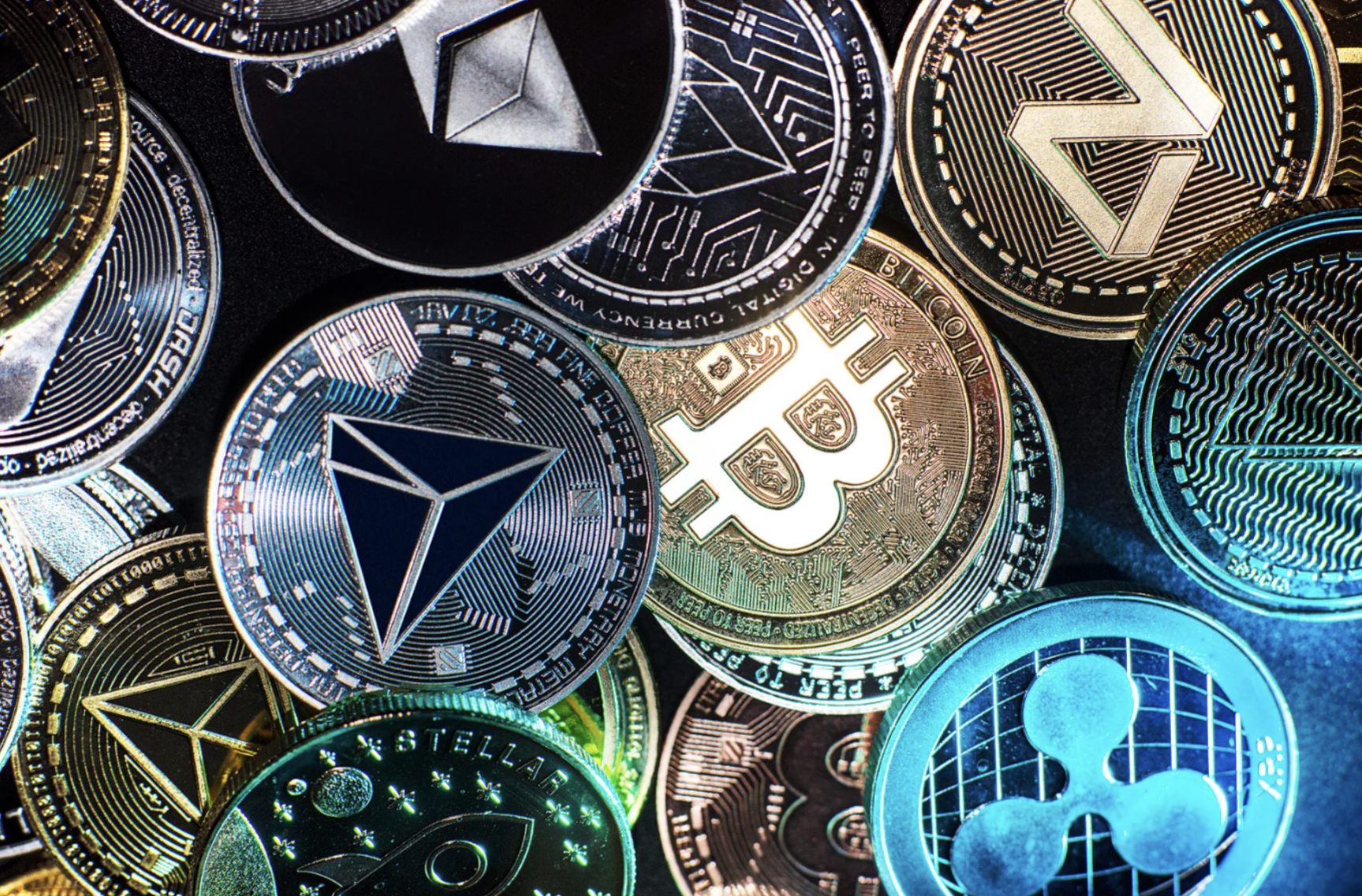
At the same time, blockchain technology and Web3 infrastructure are evolving beyond speculative digital assets into real-world applications capable of supporting institutional finance, asset tokenization, and transparent market systems. The convergence between ESG and Web3 is creating a new category of climate finance infrastructure designed for transparency, interoperability, and global accessibility.
This evolution is reshaping how environmental assets, carbon credits, and sustainability-linked financial products operate within modern digital economies. As climate accountability becomes increasingly important worldwide, many industry participants now believe blockchain infrastructure could become one of the defining technologies supporting the next generation of climate finance.
The Rise of ESG Investing
Over the past decade, ESG investing has experienced massive global growth. Environmental, Social, and Governance (ESG) principles are becoming increasingly integrated into investment strategies across institutional finance, asset management, banking, and corporate governance. Investors today are paying far greater attention to sustainability metrics, carbon exposure, environmental reporting, and long-term climate risks.
Governments and regulators are also introducing stricter sustainability frameworks and disclosure requirements. Large corporations are now expected to demonstrate measurable progress toward carbon reduction goals, while institutions increasingly allocate capital into ESG-aligned assets and sustainability-focused investment vehicles.
This growing focus on sustainability is driving rapid expansion within climate finance markets, particularly within sectors such as carbon credits, renewable energy, green infrastructure, and environmental assets. However, despite strong growth, the infrastructure supporting many sustainability markets still faces significant limitations.
The Infrastructure Problem in Climate Finance
One of the biggest challenges in climate finance today is the lack of standardized, transparent, and interoperable infrastructure. Carbon markets remain fragmented across different registries, brokers, and trading systems, while sustainability reporting frameworks often vary between regions and organizations.
Transparency continues to be a major concern. In many cases, carbon credits are still traded through over-the-counter systems with limited visibility into project quality, ownership history, pricing, and retirement records. This creates inefficiencies and reduces trust across the broader ecosystem. Concerns surrounding greenwashing, inconsistent methodologies, and double counting risks further complicate market credibility.
As institutional participation in climate finance increases, the need for transparent and verifiable infrastructure becomes significantly more important. Institutions require systems capable of supporting auditability, regulatory alignment, transparent reporting, and scalable operational frameworks before deploying capital at large scale.
This is where blockchain and Web3 infrastructure begin playing an increasingly important role.
Why Web3 Matters for Climate Finance
Web3 infrastructure introduces a new technological framework capable of improving how environmental assets and sustainability markets operate globally. Unlike traditional fragmented systems, blockchain infrastructure enables issuance records, ownership data, transfers, and retirement activity to become permanently traceable through immutable digital records.
This creates stronger transparency and accountability across climate finance ecosystems. Market participants gain improved visibility into asset history, verification data, and transaction records, helping strengthen trust and reduce operational inefficiencies.
Web3 infrastructure also enables greater interoperability between financial systems. Tokenized environmental assets can move more efficiently across digital ecosystems while enabling broader global accessibility. Settlement processes become faster and more transparent compared to traditional market structures, while programmable financial infrastructure opens new opportunities for innovation within sustainable finance.
Importantly, Web3 is no longer viewed solely as speculative technology. The industry is increasingly evolving toward infrastructure capable of supporting real-world applications, including tokenized real-world assets (RWA), institutional finance systems, and ESG-linked markets. This transition is helping bridge traditional finance with next-generation digital infrastructure.
Carbon Markets and Tokenized Environmental Assets
Carbon markets are becoming one of the most important sectors within the broader ESG and Web3 convergence. As sustainability commitments continue growing globally, demand for verified carbon credits and environmental assets is expected to increase significantly over the coming years.
At the same time, tokenization is transforming how real-world assets operate within financial systems. Tokenized carbon credits allow environmental assets to become more transparent, accessible, and interoperable through blockchain-based infrastructure.
Instead of existing solely within fragmented registry systems, tokenized carbon assets can move within standardized digital ecosystems supported by immutable transaction records and transparent ownership tracking. This improves traceability, operational efficiency, and market accessibility while helping reduce double counting risks.
As a result, carbon is increasingly evolving beyond a traditional offset mechanism into a scalable financial layer connected to ESG investing, climate accountability, and digital finance infrastructure. Many industry participants now view carbon assets as one of the most important emerging categories within the broader real-world asset movement.
Institutions Are Entering Climate Finance
Institutional interest in climate finance continues growing rapidly. Asset managers, banks, family offices, sovereign funds, and financial institutions are increasingly exploring sustainability-linked investments and environmental asset exposure as part of long-term portfolio strategies.
However, institutions require more than narratives before entering emerging sectors at scale. They need transparent infrastructure, verifiable asset backing, regulatory alignment, reliable reporting systems, and scalable operational frameworks.
This is why infrastructure will likely become one of the most important competitive advantages within future climate finance ecosystems. Projects capable of combining transparency, compliance, interoperability, and real-world integration will play a major role in shaping how institutional capital enters ESG and carbon markets over the next decade.
How EcoSync Is Building Next-Generation Climate Finance Infrastructure
At EcoSync, we believe the future of climate finance depends on infrastructure capable of bridging ESG markets with blockchain-based financial systems. EcoSync is building a Carbon Credit RWA Exchange focused on enabling verified carbon markets to become more transparent, scalable, and globally accessible through Web3 infrastructure.
The ecosystem combines tokenized carbon assets, carbon spot trading, carbon perpetual trading, immutable on-chain transparency, and registry-linked verification systems designed to improve trust and operational efficiency across climate finance markets. By bringing verified carbon credits on-chain, EcoSync aims to improve accessibility, traceability, and interoperability between traditional carbon markets and next-generation digital finance ecosystems.
A key component of the platform is the TCC Token, a tokenized carbon asset backed by verified real-world carbon credits and aligned with global carbon pricing benchmarks such as European Union Allowances (EUAs). Rather than focusing purely on token issuance, EcoSync’s broader vision is to position carbon as a scalable financial layer integrated into the future of ESG finance and real-world asset infrastructure.
EcoSync also emphasizes compliance-first infrastructure and transparent market systems designed to support long-term institutional participation. As ESG accountability and sustainability reporting continue becoming global priorities, infrastructure capable of supporting verifiable environmental assets and transparent financial systems will become increasingly important.
The Future of ESG and Web3
The convergence between ESG investing, climate finance, and Web3 infrastructure is still in its early stages, but momentum continues accelerating globally. As sustainability markets mature, transparency, interoperability, and scalable infrastructure will become essential for supporting broader adoption and institutional integration.
The future of climate finance will likely be defined not only by sustainability goals, but by the quality of infrastructure supporting environmental markets themselves. Blockchain technology, tokenized real-world assets, and interoperable financial systems are creating a new foundation for how climate-related assets operate within the global economy.
At EcoSync, our mission is to help bridge carbon markets, ESG finance, and Web3 infrastructure into a scalable ecosystem designed for the future of sustainable finance.